
From 2015 to 2025, music production shifted from a mostly desktop and plugin ownership world into something more platform based, subscription driven, cloud assisted, and increasingly hybrid between software and hardware. The result is a production environment where creators can move faster, collaborate more easily, and access higher quality tools with a lower upfront cost, while also facing new tradeoffs around licensing, platform lock in, and rapid feature churn.
This article covers the biggest changes across DAWs, sampling, hardware, collaboration, and emerging AI workflows.
1) DAWs Became Platforms, Not Just Recording Software
Ten years ago, a DAW was primarily a production workspace. Today, major DAWs increasingly behave like platforms that bundle instruments, sound libraries, stem tools, integrated browsing, and cloud connections.
Ableton Live: more generative MIDI, deeper editing, and integrated services
Ableton Live 12 expanded creative MIDI editing with MIDI Transformations and Generators, supporting faster idea generation and variation building directly in the DAW. Ableton also publishes detailed release notes that show a steady push toward workflow speed, browser improvements, and deeper clip based creation tools.
By 2025, Ableton also began adding features that many producers previously relied on third party tools for, including stem separation and direct integration with sample services in public beta updates.
Logic Pro: mobile production became truly professional
Apple pushed hard into mobile production with Logic Pro for iPad, aiming for a professional experience on a touch first device, not just a simplified companion app.
Logic Pro updates for Mac and iPad also show how mainstream DAWs started to build in audio intelligence features. Apple introduced Flashback Capture, which can recover performances even if record was not pressed, and improved Stem Splitter for more practical separation workflows.
DAWs moved into the browser
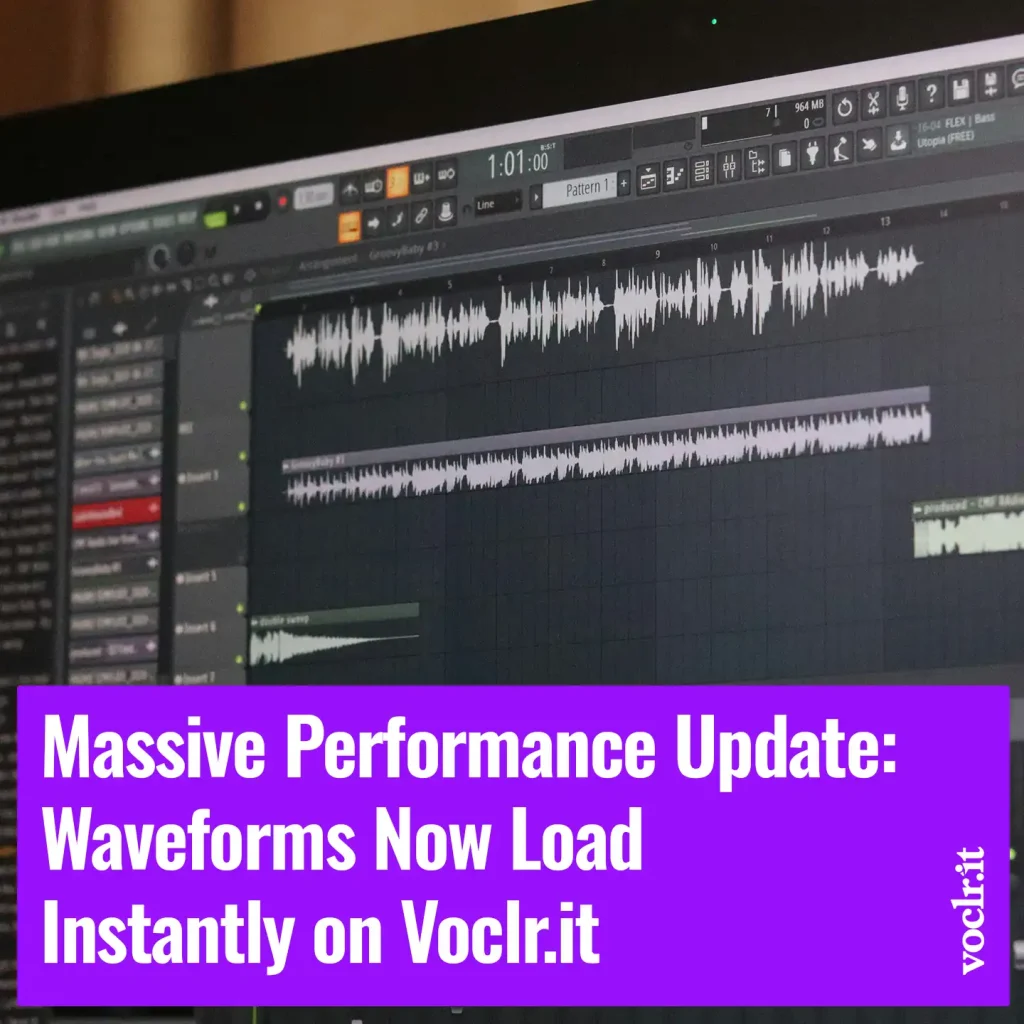
A major sign of the last decade is that production is no longer limited to installed desktop software. Image Line announced FL Studio Web as a browser based DAW experience intended to reduce setup friction and lower the barrier to entry.
2) Licensing Shifted Toward Subscriptions and Ongoing Access
In 2015, many producers still expected to buy a DAW and keep it. Over the decade, subscriptions became normal across DAWs, plugins, and sample services. This shift lowered upfront cost, but also made ongoing access part of the cost of staying current.
A clear example is Pro Tools. Avid added a subscription option in January 2015, and later moved new Pro Tools products to subscription licensing with its 2022 restructuring.
Plugins followed a similar pattern. Universal Audio expanded access to its native plugin catalog through the UAD Spark subscription, positioning it as a bundle of high end tools available through a recurring plan.
3) Sampling Changed From Files on Disk to Cloud Libraries and Services
The past decade saw a major shift in how producers discover and use sounds. Instead of buying fixed sample packs and organizing folders, producers increasingly subscribe to sample ecosystems that provide continuous access and strong search, tagging, and audition workflows.
Splice is a defining example. Splice Sounds launched in 2015, pushing subscription based sample access into the mainstream producer workflow. Splice also introduced Rent To Own for plugins in 2016, reducing the need for large upfront purchases.
By the mid 2020s, this model expanded beyond samples into cloud connected instruments and preset systems, reflecting how sampling and instruments are converging inside unified services.
4) Built In Stem Separation and Remix Tools Went Mainstream
Ten years ago, separating vocals from a mixed track was either impossible, low quality, or required specialist tools. Over the last decade, stem separation became common enough that major DAWs began integrating it as a standard workflow feature.
Logic Pro improved Stem Splitter and extended capabilities to more instruments, and also made it easier to export specific parts of a track for remixing and alternate versions.
Ableton also moved toward stem separation inside Live in later updates, reflecting how expectation has shifted from external utilities to in DAW features.
5) Hardware Evolved Toward Standalone and Hybrid Workflows
Hardware did not disappear. Instead, it adapted. The big change is that hardware is now often designed to work in two modes, standalone creation and deep DAW integration.
Ableton Push 3 is a strong example of this shift. Push 3 supports standalone use with built in compute and audio interface capability, but also works tethered as a controller for Live. This reflects a broader trend toward hardware that can be a full instrument, not just a MIDI surface.
At the entry and mid level, audio interfaces also became more beginner friendly through features that reduce setup mistakes. Focusrite highlighted Auto Gain and Clip Safe style protections in its Scarlett range, reflecting how manufacturers prioritize speed and reliability for home recording.
6) Standards and Control Improved, Including MIDI 2.0 Progress
Expressive control, higher resolution performance data, and better device interoperability became a bigger focus. MIDI 2.0 was introduced as a major update to the decades old MIDI standard, aiming for bidirectional communication and greater precision, while maintaining backward compatibility.
Adoption has been gradual, but the direction is clear: more expressive performance capture, better device discovery, and more reliable integration across ecosystems.
7) Mixing and Delivery Adapted to Spatial Audio
Streaming and consumer playback trends influenced production decisions. Spatial audio and Dolby Atmos moved from niche to mainstream visibility when major platforms pushed it. Apple Music announced Spatial Audio and Lossless Audio in 2021 and highlighted efforts to make Dolby Atmos creation easier for musicians, producers, and engineers.
This introduced a new production layer for some releases: stereo mixes remain essential, but Atmos capable workflows became an additional skill set for certain genres, labels, and delivery requirements.
8) The Core Shift: Speed, Access, and Iteration
Across every category, the decade trend is consistent.
- Faster creation through smarter DAW features and integrated tools
- Lower upfront cost through subscriptions and service bundles
- More sound access through cloud libraries and search driven discovery
- More remix capability through built in stem and separation tools
- More flexible setups through hybrid hardware and mobile production
Conclusion
Music production in the last 10 years became more accessible and more powerful, but also more dependent on platforms, subscriptions, and integrated ecosystems. The producer toolkit is larger than ever, yet the competitive advantage increasingly comes from workflow, taste, and consistency rather than just owning the right gear.
If you want, I can write a second version tailored to a specific audience, for example electronic producers, hip hop producers, film composers, or indie bands, and include a tighter set of tools and examples for that workflow.