Sampling and vocal isolation have played a foundational role in modern music. From early hip-hop and dance music to contemporary electronic and pop productions, acapellas have helped producers study, reinterpret, and evolve sound. However, as the music industry continues to mature digitally, it is more important than ever to clearly understand the legal boundaries around their use.
This update outlines how acapellas can be used responsibly, what clearance means in practice, and how Voclr.it operates as a platform that respects artists, labels, and rights holders.
Acapellas and Copyright: The Legal Reality
An acapella recording is still a copyrighted work. Even when vocals are isolated from an existing track, the underlying rights remain with the original rights holder, typically the artist, label, publisher, or a combination of all three.
In most jurisdictions, including the UK, EU, and US:
- Acapellas may be used for research, education, and private study
- Acapellas may not be used in released or monetised music without permission
- Any public release (streaming, downloads, label submissions, sync, etc.) requires explicit clearance from the rights holder
Simply put: if you release a track using someone else’s vocals, you must have permission.
Research, Education, and Practice Use
Many producers use acapellas to:
- Study vocal structure and phrasing
- Learn mixing, EQ, compression, and spatial techniques
- Practice remixing and arrangement
- Explore genre-specific songwriting patterns
These uses fall under research and educational purposes, which are widely recognised as legitimate non-commercial activities. Voclr.it strongly supports learning, experimentation, and creative growth within these boundaries.
Releasing Music: Clearance Is Mandatory
Once a track leaves your studio and enters the public domain, whether through:
- Spotify / Apple Music
- SoundCloud monetisation
- YouTube Content ID
- Labels, sync libraries, or NFTs
You are legally required to obtain clearance from the copyright owner of the vocal.
Failure to do so can result in:
- Takedowns
- Copyright strikes
- Revenue loss
- Legal claims
This applies regardless of whether the vocal is pitched, chopped, time-stretched, or heavily processed.
The Role of Sampling in Music History
Sampling is not a shortcut, it is a cornerstone of modern music.
From early hip-hop DJs looping breakbeats, to house and techno producers repurposing disco vocals, to today’s genre-blending electronic artists, sampling has driven innovation for decades. Entire movements were born from reinterpretation and collage.
Respecting sampling’s history also means respecting the artists who created the original works.
Creativity and copyright are not opposing forces—they coexist.
Sampling in Commercial Music: An Industry Standard
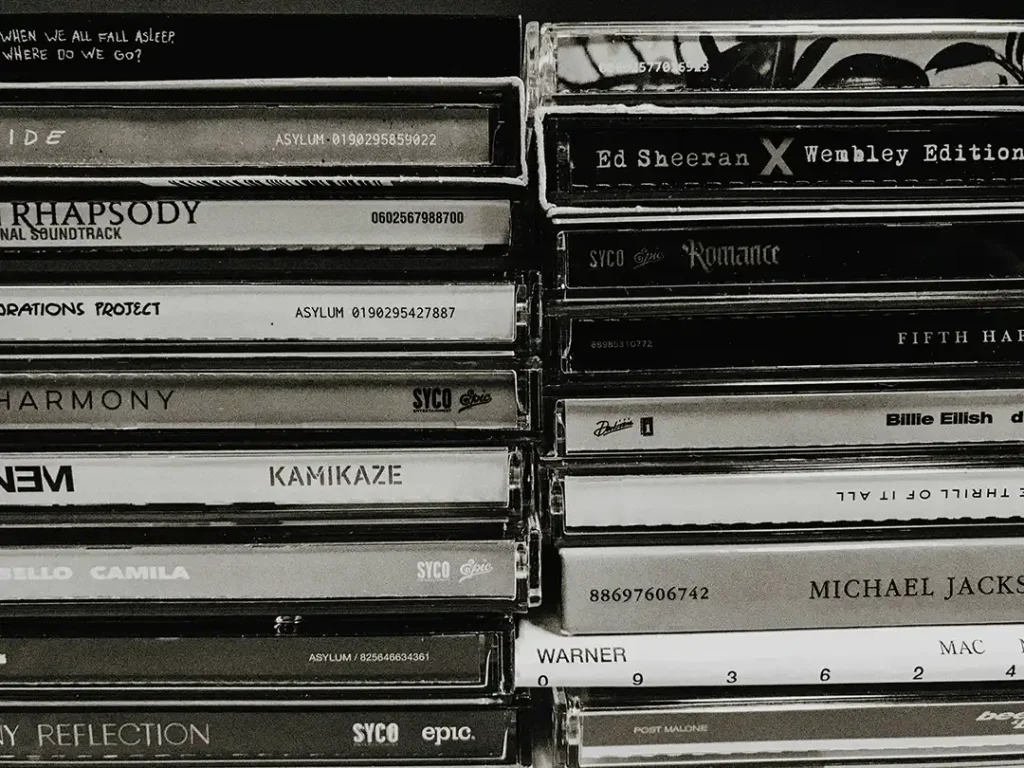
If you explore WhoSampled, you will quickly see that the majority of commercially released music contains samples, including vocal excerpts and acapella sections taken from earlier recordings.
From chart-topping pop and hip-hop to electronic, house, and techno, sampling is not the exception, it is the norm. Many of these productions are released on major labels, and in numerous cases the original rights holders actively license and release official acapellas specifically for remixing, sampling, and reuse.
This demonstrates an important point:
sampling itself is not illegal. What matters is permission and clearance.
Professional releases follow a structured legal process where:
- Rights holders approve usage
- Licenses are issued
- Artists are credited and compensated
- Labels formally authorise sampled material
This is the same standard that independent producers are expected to follow when releasing music publicly.
Voclr.it encourages producers to study how sampling is used responsibly in commercial music, and to understand that while sampling is deeply embedded in music history, clearance is what enables those tracks to exist legally and ethically.
How Voclr.it Operates
Voclr.it is not a marketplace and does not sell acapellas.
Voclr.it is:
- An archive-style platform
- Designed for discovery, research, and workflow efficiency
- Focused on clear metadata, categorisation, and usability
We do not claim ownership over any underlying recordings, and we take rights management seriously.
DMCA, Takedowns, and Artist Respect
Voclr.it operates with a prompt and transparent DMCA process.
- All DMCA requests are reviewed and handled quickly
- Content is removed where appropriate without delay
- Rights holders can contact us directly for resolution
- Artists and labels are treated with respect and priority
We believe that artists and rights holders are fundamental to the music ecosystem, and we aim to ensure they are comfortable with how their material is referenced or archived on our platform.
If a rights holder is unhappy with any material listed on Voclr.it, we work with them directly to resolve it.
Our Position Going Forward
Voclr.it exists to support:
- Producers learning their craft
- Better organisation of vocal resources
- Ethical, informed music creation
We encourage all users to:
- Treat acapellas as educational tools unless cleared
- Seek permission before releasing music
- Respect the creators behind the vocals
Sampling built modern music. Respect keeps it alive.
If you are a rights holder and have any questions or concerns, please contact us directly. We are always open to dialogue.